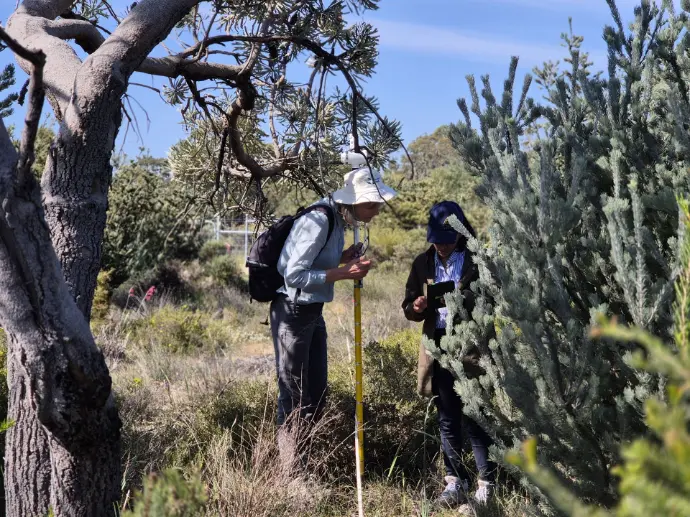
Survey protocols and data standards to inform the impact assessment of renewables projects
Funded by the Department of Climate Change, Energy, the Environment and Water (DCCEEW), Renewables Environmental Research Initiative (RERI)
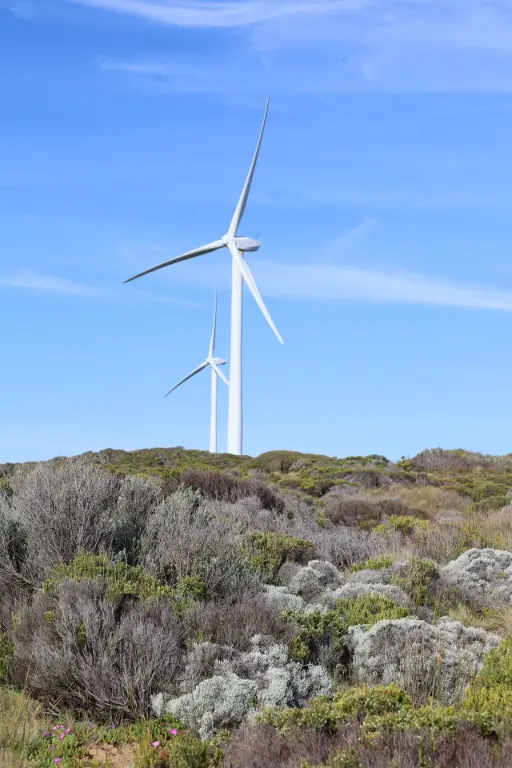
Project description
TERN is developing ecological survey protocols and improving data collection for Australia's growing renewable energy sector.
The ecological data collected to assess or monitor projects under the Environment Protection and Biodiversity Conservation Act 1999 (EPBC Act) is often inconsistent and sometimes inadequate. This can lead to challenges for both regulation and conservation programs. For example:
- extended assessment timeframes due to requests for proponents to collect additional information
- greater potential for disputes between regulator and proponents
- insufficient survey effort resulting in more precautionary regulatory decisions.
- challenges in integrating separate and incompatible data sets to assess population trends
- limited ability for regulators to make consistent, evidence-based decisions.
The Terrestrial Ecological Research Network (TERN), supported by the Department of Climate Change, Energy, the Environment and Water (DCCEEW) Renewables Environmental Research Initiative, are developing guidance on ecological survey design, field survey protocols and data collection processes for over 200 priority species to help address these challenges. The project is building on the Ecological Monitoring System Australia (EMSA) by creating new protocols appropriate for environmental impact assessment and post-construction monitoring. EMSA was developed by the Terrestrial Ecological Research Network (TERN) in collaboration with the department.
This project will produce evidence-based guidance to ensure best-practice impact assessment and monitoring for threatened species. It will allow proponents to collect ecological data that meets regulatory expectations, supporting both industry and decision makers. Good quality data allows for clear, timely decisions on proposed developments. The project will also provide the data capture and delivery systems that allow ecological data from environmental impact assessments and monitoring for EPBC Act projects
to flow into Australia’s national Biodiversity Data Repository (BDR).
Project objective
Develop standardised ecological survey protocols and data collection processes to enable more efficient assessments and better decisions.
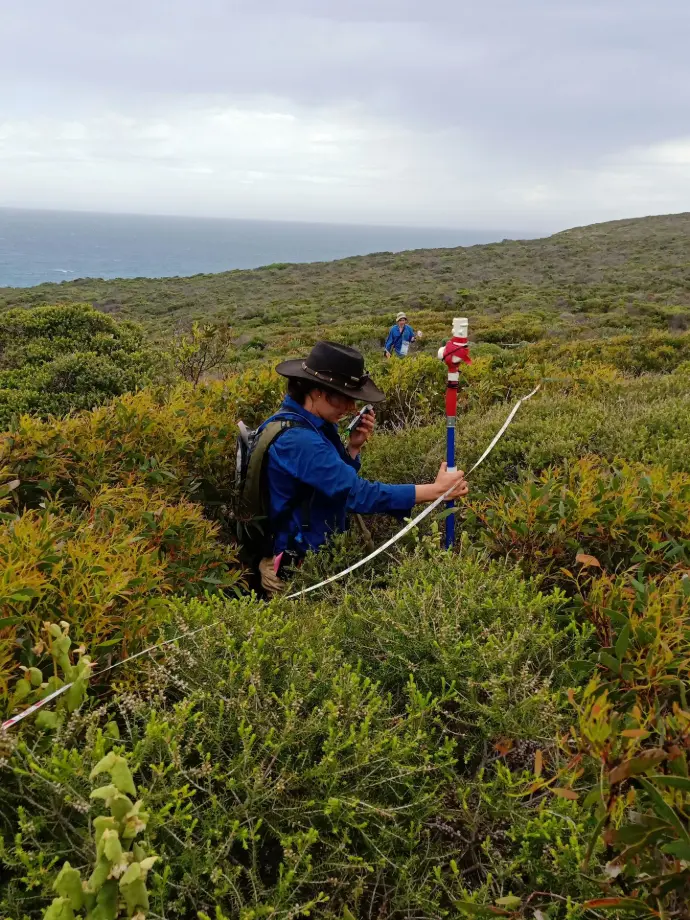
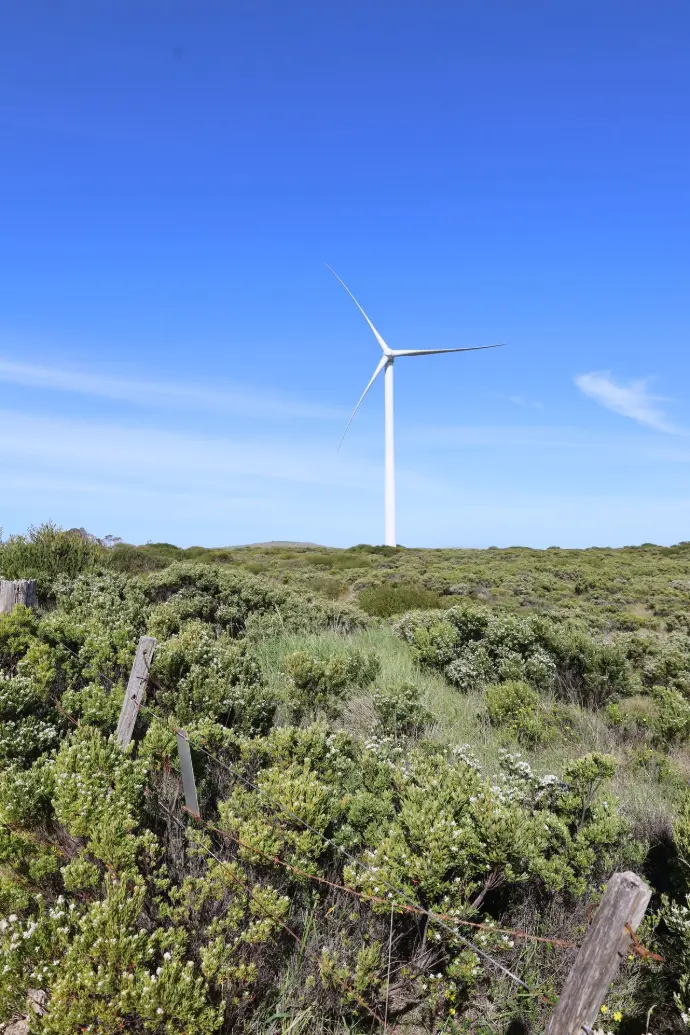
Project deliverables
TERN will undertake literature reviews and stakeholder engagement to inform best practice survey methods, to deliver:
- survey protocols for groups of priority species
- species-specific survey protocols for species with unique survey requirements
- monitoring protocols (including for offsets)
- post-construction fatality monitoring protocols
- data collection process for all protocols.
Survey protocols
The existing EMSA protocols are designed to capture baseline monitoring data and track environmental changes resulting from restoration management actions. The new protocols will build on these and be specifically designed to capture data required for environmental impact assessments. The new protocols will provide instructions on how to implement survey techniques, including timing, effort and location. Users will be able to select relevant protocols based on the project's needs and the threatened species that are likely to occur in the project area.
Survey protocols for EPBC-listed birds and bats have been prioritised in this project due to the potential impacts of turbine collisions on them.
Monitoring protocols
Approval under the EPBC Act may require an approval holder to monitor certain species and their habitat in the project’s impact or offset sites.
TERN will develop standardised monitoring protocols so that environmental changes can be tracked and those changes used to inform management practices.
Post-construction fatality monitoring protocols
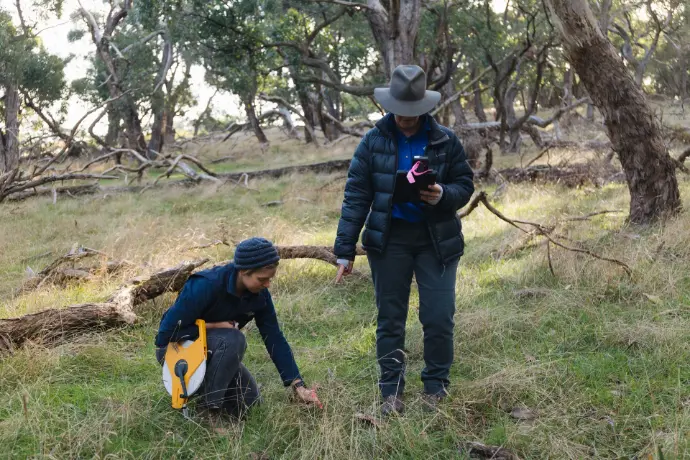
Post-construction fatality monitoring (PCFM) is used to estimate mortality rates and assess the actual impacts of turbines on wildlife. PCFM protocols will include:
- searcher efficiency trials (to correct for missed detections when surveying for fatalities)
- carcass persistence trials (to measure the length of time carcasses remain detectable in the environment)
- unsearched area correction (a statistical adjustment to account for carcasses outside survey search sites).
Refer to the indicative list of the protocols in development for further information.
Expected project outcomes
Ultimately, the project will enable faster assessments and greater certainty in decisions. It will do this by:
- setting clear and consistent expectations
- improving understanding of species through better and consistent data collection
- improving access, storage and re-use of ecological data by facilitating integration into the BDR.
Downloads
To assist others, including other RERI project partners, develop ecological survey protocols similar to the EMSA modules, TERN have developed a Template and Guidelines for Developing Survey Protocols: Creating monitoring standards compatible with the Ecological Monitoring System Australia (EMSA). The intended audience of this document are ecologists, environmental practitioners, and experts charged with documenting ecological field methodologies in a standardised, repeatable, and scientifically robust format. Please contact us if you would like further assistance.
This document should be read in conjunction with the Survey Guidelines for Monitoring Threatened Species: Towards monitoring standards compatible with the Ecological Monitoring System Australia.
Download a copy of the project flyer
Draft protocols will be available on this page early in 2026.
Key consultation periods
TERN welcomes feedback and input.
An Introductory Webinar was held on Thursday 4th December with key invited stakeholders. A recording of the webinar can be viewed here.
Engagement and consultation activities scheduled, include:
- A follow-up Webinar aimed at ecologists and consultants in May 2026. Please register your interest in the webinar via the form below.
Draft documents will be available on this website for review and feedback, including the draft module and protocol documents.
- In May 2026, interested parties will have an opportunity to share their feedback about the proposed protocols on the Have Your Say consultation website hosted by DCCEEW.
Upcoming opportunities, including formal consultation on draft protocols, will be listed on this website once scheduled. Please email our team or use the form below to connect with TERN directly.
Register to be updated on project developments and engagement opportunities